
Small Livestock · Complete guide
Small Livestock for the Homestead: Chickens, Rabbits, Goats and Bees
By Furrow & Feast ·
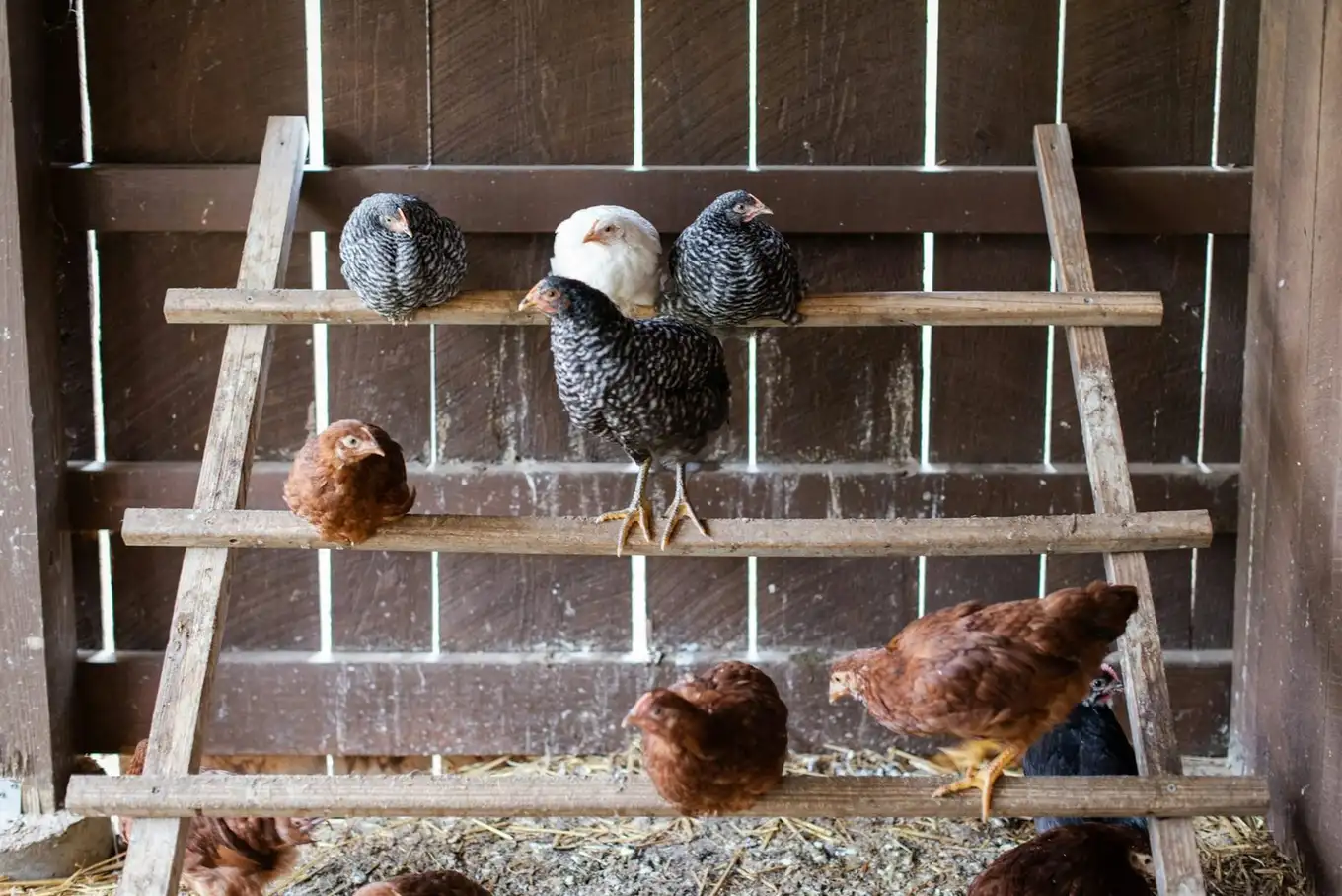
Small livestock turns a garden into a homestead: eggs, meat, milk, honey, pollination and a steady supply of manure for compost. Animals are also a daily, year-round commitment, so the first questions are practical ones.
Before you get any animals
- Check the rules. City and county ordinances, zoning, and HOA covenants often limit which animals you can keep, how many, and how close to property lines. Roosters, goats and bees are commonly restricted. Check first.
- Plan for every day of the year, including travel, illness, winter and heat waves. Who feeds and waters when you’re away?
- Plan housing and fencing before the animals arrive. Predators are a constant threat to small flocks and herds.
- Find help nearby: a veterinarian who sees your species, your county extension office, and experienced local keepers.
Chickens
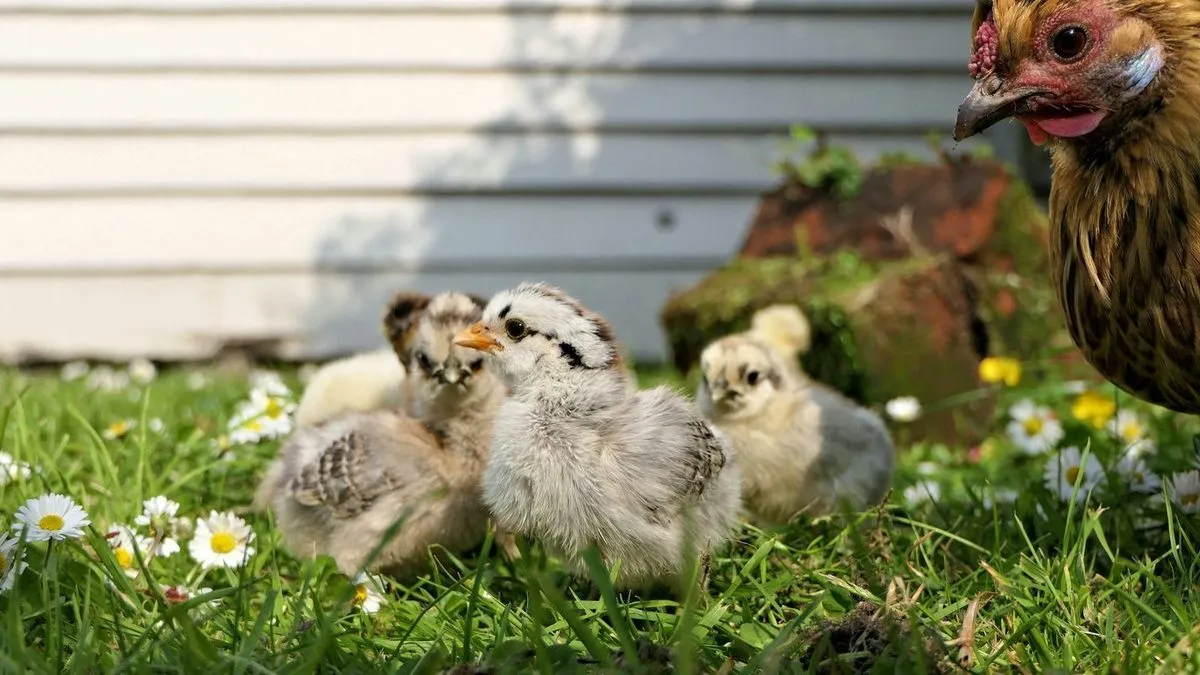
Chickens are the most common starting point. They provide eggs and meat, eat kitchen scraps and garden pests, and produce manure that can be composted. They need a secure coop and run, fresh water, feed suited to their age and purpose, and protection from predators.
Rabbits
Rabbits are quiet, need little space compared with larger stock, and are raised for meat and fiber. Their manure is often valued in the garden. They need shade and protection from heat as well as predators.
Goats
Goats provide milk, meat or fiber, and can clear brush. They are herd animals and are generally kept in groups, need strong fencing, and require regular hoof care and attention to parasites. Dairy goats need milking on a schedule.
Bees
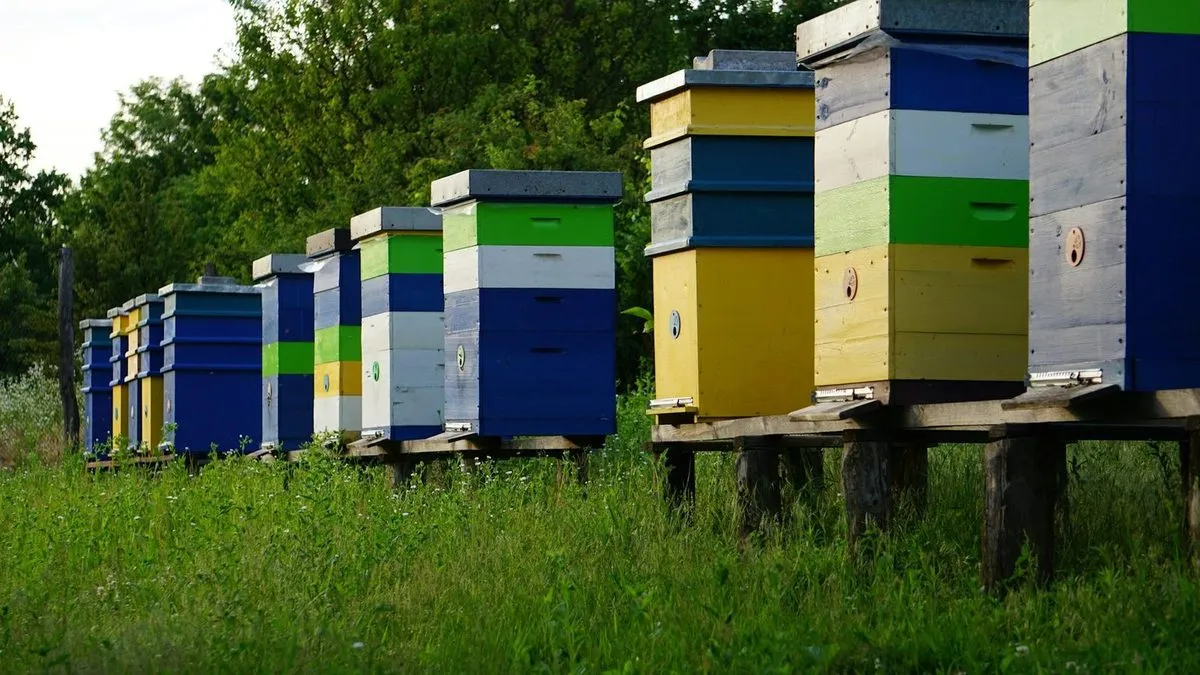
Honeybees pollinate the garden and orchard and produce honey and wax. Beekeeping means regular hive inspections, managing pests and diseases, and planning for swarms and winter. Some states require hives to be registered, so check yours. A local beekeeping club is one of the best places to start.
Next steps
- Plan feed and bedding storage with food storage.
- Prepare animals for cold snaps and storms with weather prep.
Other guides
- Food Preservation for Homesteaders: Canning, Dehydrating, Fermenting and Root Cellaring
- Long-Term Food Storage: Building a Pantry You Actually Use
- How Much to Plant: Sizing Your Vegetable Garden to Your Household
- Hunting, Field Care and Home Processing of Game: A Practical Guide
- Off-Grid Growing: A Garden That Keeps Producing Without the Grid
- Vegetable Garden Planning and Layout: Beds, Spacing and Sun
- Seed Saving: Grow Your Own Seed Supply, Year After Year
- Seed Starting by Frost Date: The Complete Beginner's Guide
- Succession and Companion Planting: Keep Beds Productive All Season
- Weather Prep for the Homestead: Frost, Freeze and Storm Readiness