
Food Preservation · Complete guide
Food Preservation for Homesteaders: Canning, Dehydrating, Fermenting and Root Cellaring
By Furrow & Feast ·
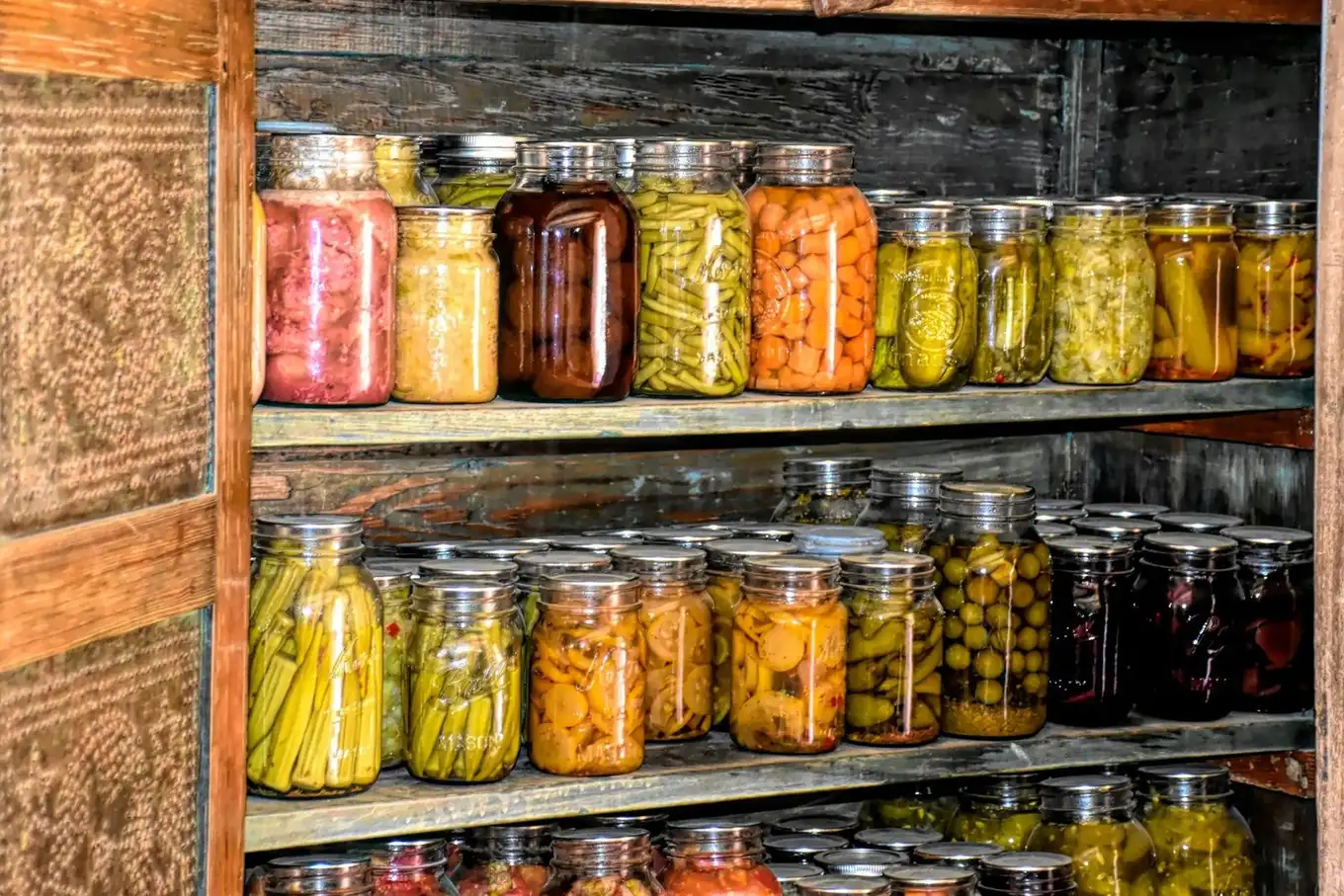
Growing food is half the job. The other half is keeping it after the harvest rush, so the food you raised in August still feeds you in February. There are four core methods, each suited to different crops, and each with its own non-negotiable safety rules.
The rule that comes first: use tested methods
Home preservation is safe when you follow research-tested instructions exactly, and risky when you improvise. The National Center for Home Food Preservation (NCHFP), hosted by the University of Georgia, publishes current research-based recommendations, and it also hosts the USDA Complete Guide to Home Canning. Use sources like these, or your state extension service, for every recipe and processing time. Old family recipes, social-media “hacks” and untested shortcuts don’t qualify. NCHFP, for example, specifically warns that “dry canning” raw vegetables is an unsafe practice.
Canning
Canning heats sealed jars to destroy spoilage organisms and create a vacuum seal. There are two methods, and the food decides which one you use:
- Boiling-water canning is for high-acid foods: most fruits, jams and jellies, pickles, and tomatoes with added acid as the tested recipe directs.
- Pressure canning is required for low-acid foods: plain vegetables, beans, meats, poultry and fish. Boiling water can’t get these foods hot enough to make them safe; the risk is botulism, which is serious and can’t be seen, smelled or tasted.
Processing times and pressures also change with altitude, so check the adjustment for your elevation in the tested recipe.
Dehydrating
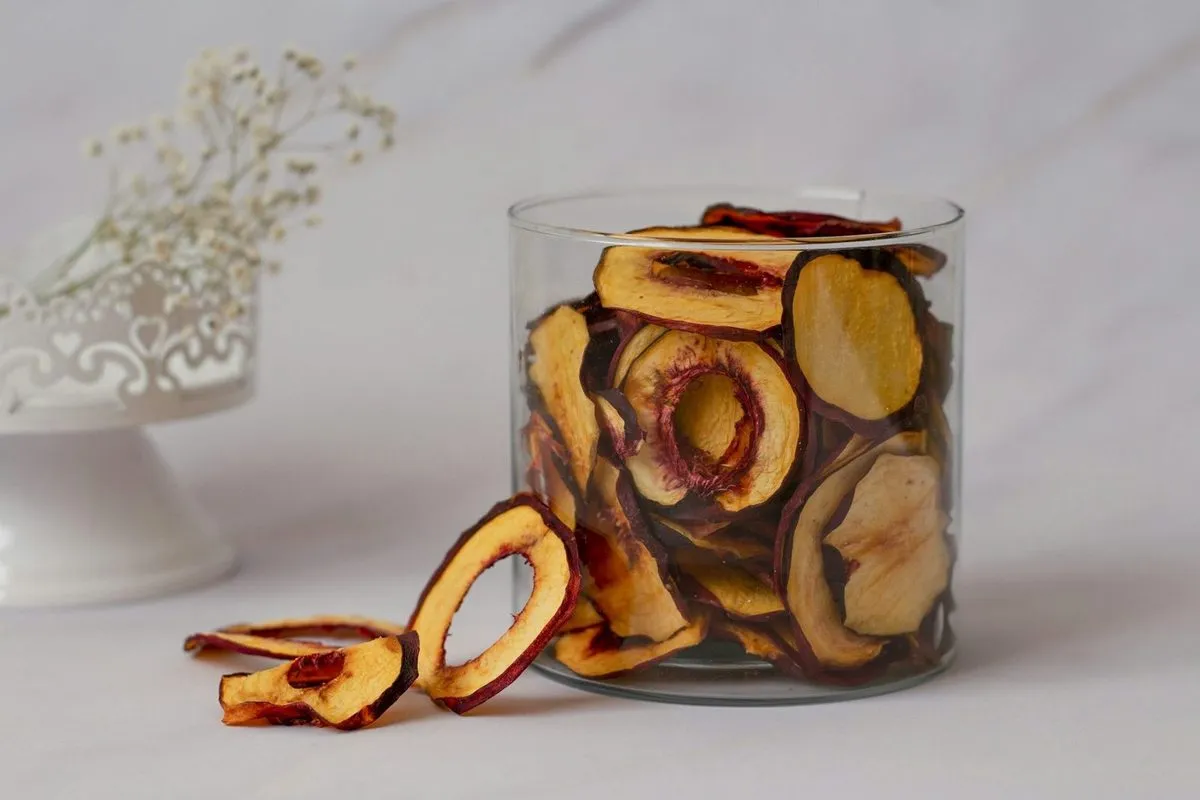
Drying removes enough water that spoilage organisms can’t grow. It suits herbs, many fruits, some vegetables, and jerky made by a tested method. Dried food is light and compact, which makes it a strong fit for long-term storage. Store it airtight, in the dark, and away from humidity.
Fermenting
Lacto-fermentation (sauerkraut, kimchi, fermented pickles) uses salt and beneficial bacteria to preserve vegetables and change their flavor. Follow a tested recipe for salt ratios, keep vegetables submerged under the brine, and learn the difference between harmless surface yeast and spoilage.
Root cellaring
Many storage crops (potatoes, carrots, beets, cabbage, winter squash, onions and apples among them) keep for months without processing if you give them the right temperature and humidity. Different crops want different conditions, and some, like apples, give off gases that can affect neighbors. A root cellar can be anything from a dug space to a cool basement corner or a buried container.
Choosing a method
| Method | Best for | Main equipment |
|---|---|---|
| Boiling-water canning | High-acid foods | Large pot with rack, jars, new lids |
| Pressure canning | Low-acid foods | A pressure canner (not a pressure cooker) |
| Dehydrating | Herbs, fruit, some vegetables | Dehydrator or a tested oven/air method |
| Fermenting | Cabbage, cucumbers, many vegetables | Crock or jars, weights, salt |
| Root cellaring | Roots, cabbages, squash, onions, apples | A cool, dark, humidity-controlled space |
Next steps
- Plan your harvest volume with how much to plant.
- Organize what you put up with food storage.
- Gear picks are coming soon on our picks page.
Sources and further reading
Other guides
- Long-Term Food Storage: Building a Pantry You Actually Use
- How Much to Plant: Sizing Your Vegetable Garden to Your Household
- Hunting, Field Care and Home Processing of Game: A Practical Guide
- Off-Grid Growing: A Garden That Keeps Producing Without the Grid
- Vegetable Garden Planning and Layout: Beds, Spacing and Sun
- Seed Saving: Grow Your Own Seed Supply, Year After Year
- Seed Starting by Frost Date: The Complete Beginner's Guide
- Small Livestock for the Homestead: Chickens, Rabbits, Goats and Bees
- Succession and Companion Planting: Keep Beds Productive All Season
- Weather Prep for the Homestead: Frost, Freeze and Storm Readiness